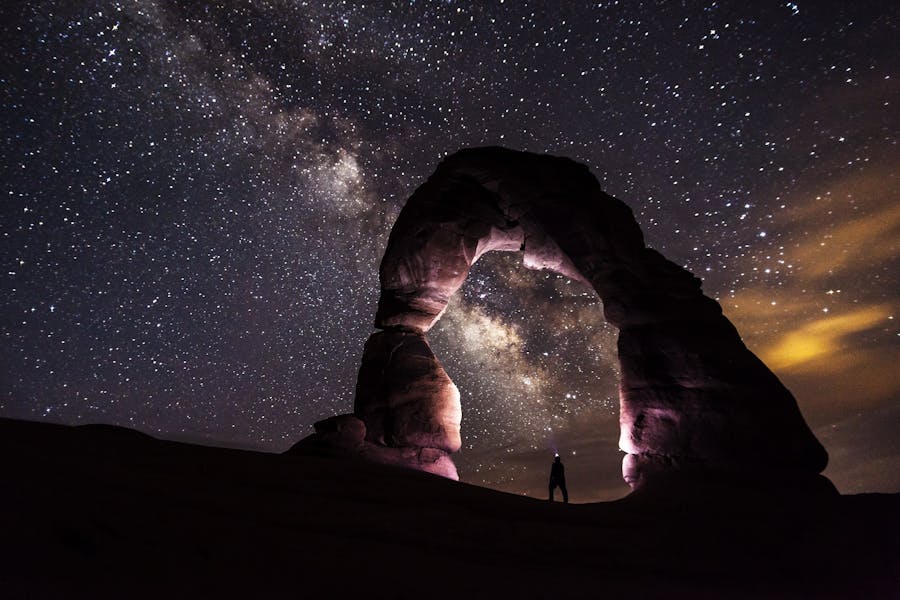
Uncovering the Magic of U.S. National Parks: A Journey Through Nature's Masterpieces
The United States' National Parks are home to some of the most breathtaking and diverse landscapes on the planet. With 63 protected areas spread across the country, these natural wonders offer a glimpse into the untamed beauty and rich history of America's wild heart. In this essay, we journey through the mystique of these national parks, uncovering hidden treasure troves of trivia and fascinating tidbits along the way.
Yellowstone: Birthplace of the National Park System
Did you know that Yellowstone, spanning across Wyoming, Montana, and Idaho, was the world's first-ever national park? Established in 1872 by President Ulysses S. Grant, Yellowstone set in motion a global movement that now sees over 100 nations preserving their most cherished natural and cultural landmarks. Famous for its geothermal features and abundant wildlife, Yellowstone is home to over half the world's geysers, including the iconic Old Faithful, which erupts approximately every 90 minutes.
Sequoias: The Giants of Yosemite
Yosemite National Park, located in the Sierra Nevada Mountains of California, is renowned for its towering granite cliffs, such as El Capitan and Half Dome. But dig a little deeper, and you'll discover Yosemite is also home to ancient giants: the magnificent sequoia trees. Among them is the Grizzly Giant, estimated to be around 2,700 years old and 210 feet tall. It certainly puts our brief human lifespans into humbling perspective!
Death Valley: Life in the Hottest Place on Earth
When we think of Death Valley, we often picture a barren and scorching desert. While it's true that Death Valley holds the record for the highest temperature ever recorded (134°F in 1913), this seemingly inhospitable environment also supports a surprisingly diverse ecosystem. Remarkably, the park is home to over 1,000 plant species, including the rare desert super bloom phenomenon, when conditions align, the otherwise desolate landscape erupts into a colorful explosion of wildflowers.
Grand Canyon: A Geological Time Machine
The Grand Canyon is a geological marvel that has awed visitors for centuries. But did you know that the Canyon exposes almost two billion years of Earth's history through its layers of rock? The Vishnu Schist, found at the very bottom of the Canyon, dates back 1.75 billion years, while the Kaibab Limestone that forms the rim is a relatively youthful 270 million years old. Talk about a trip through time!
The Smokies: Rich in Cultural History and Biodiversity
As the most visited national park in the United States, the Great Smoky Mountains draw millions of visitors each year to its mist-covered valleys and ancient forests. But beyond the sweeping panoramas, the Smokies hold a significant cultural history. The region was once the homeland of the Cherokee Native Americans and served as the setting for many tragic events during the American Civil War. In addition, the park boasts more than 19,000 documented species, making it one of the most biodiverse areas in North America.
Embrace the Adventure
As we explore the captivating world of U.S. National Parks and delve into their wealth of trivia and fascinating secrets, it becomes clear that there's so much more to these natural wonders than meets the eye. So, go ahead and embark on your own journey into the wild heart of America, where beauty, history, and wonder await you around every corner.
| National Park | State | Year Established | Estimated Annual Visitors |
|---|---|---|---|
| Acadia National Park | Maine | 1919 | 3.5 million |
| Arches National Park | Utah | 1971 | 1.6 million |
| Badlands National Park | South Dakota | 1978 | 1 million |
| Big Bend National Park | Texas | 1944 | 440,000 |
| Biscayne National Park | Florida | 1980 | 500,000 |
| Black Canyon of the Gunnison National Park | Colorado | 1999 | 430,000 |
| Bryce Canyon National Park | Utah | 1928 | 2.6 million |
| Canyonlands National Park | Utah | 1964 | 700,000 |
| Capitol Reef National Park | Utah | 1971 | 1.2 million |
| Carlsbad Caverns National Park | New Mexico | 1930 | 490,000 |
| Channel Islands National Park | California | 1980 | 410,000 |
| Congaree National Park | South Carolina | 2003 | 120,000 |
| Crater Lake National Park | Oregon | 1902 | 700,000 |
| Cuyahoga Valley National Park | Ohio | 2000 | 2.2 million |
| Death Valley National Park | California, Nevada | 1994 | 1.7 million |
| Dry Tortugas National Park | Florida | 1992 | 80,000 |
| Everglades National Park | Florida | 1934 | 1.1 million |
| Gates of the Arctic National Park and Preserve | Alaska | 1980 | 11,000 |
| Glacier National Park | Montana | 1910 | 3 million |
| Glacier Bay National Park and Preserve | Alaska | 1980 | 500,000 |
| Grand Canyon National Park | Arizona | 1919 | 6.3 million |
| Grand Teton National Park | Wyoming | 1929 | 3.3 million |
| Great Basin National Park | Nevada | 1986 | 150,000 |
| Great Sand Dunes National Park and Preserve | Colorado | 2004 | 450,000 |
| Great Smoky Mountains National Park | North Carolina, Tennessee | 1934 | 11.3 million |
| Guadalupe Mountains National Park | Texas | 1966 | 180,000 |
| Haleakalā National Park | Hawaii | 1916 | 1 million |
| Hawaii Volcanoes National Park | Hawaii | 1916 | 1.1 million |
| Hot Springs National Park | Arkansas | 1921 | 1.5 million |
| Isle Royale National Park | Michigan | 1940 | 20,000 |
| Joshua Tree National Park | California | 1994 | 2.8 million |
| Katmai National Park and Preserve | Alaska | 1980 | 40,000 |
| Kenai Fjords National Park | Alaska | 1980 | 350,000 |

Social Plugin